If you got here by typing "is PixGo safe", "is PixGo trustworthy" or "is PixGo a scam", that caution is healthy. Money deserves care, and any service that mixes PIX with crypto is worth a close look before you sign up. The good news is that this can be answered directly and technically: PixGo is a legitimate platform that receives your PIX and delivers the amount as DePix, a stablecoin pegged 1:1 to the Brazilian Real, inside a self-custody wallet where the key is yours. Below we explain exactly how each part works so you can decide with information, not fear.
- PixGo receives your PIX and converts it into DePix (a stablecoin pegged 1:1 to the Real) on the Liquid network.
- The wallet is self-custody: the seed/key is yours, PixGo does not hold your final balance.
- The PIX is processed by a partner institution regulated by the Central Bank.
- Fees are transparent: 2% (or 2% + R$1 on sales from R$10 to R$49.99) plus R$0.50 per D+1 delivery to your wallet (a PixGo fee, not a network fee). No monthly fee, no contract.
- It is not a scam: it is a legal way to receive, protect and move your money with less banking bureaucracy.
Is PixGo trustworthy? The straight answer
Yes, PixGo is a real, working platform with a fixed address (pixgo.org) and its own wallet (wallet.pixgo.org). What usually raises doubts is not the company itself, but the model: many people have never received a PIX that turns into a stablecoin. Because it differs from a traditional bank, it can feel strange at first glance. But "different" does not mean "dangerous." What defines trust here is understanding who holds what, who processes the PIX, and whether the rules are clear. That is what we detail next.
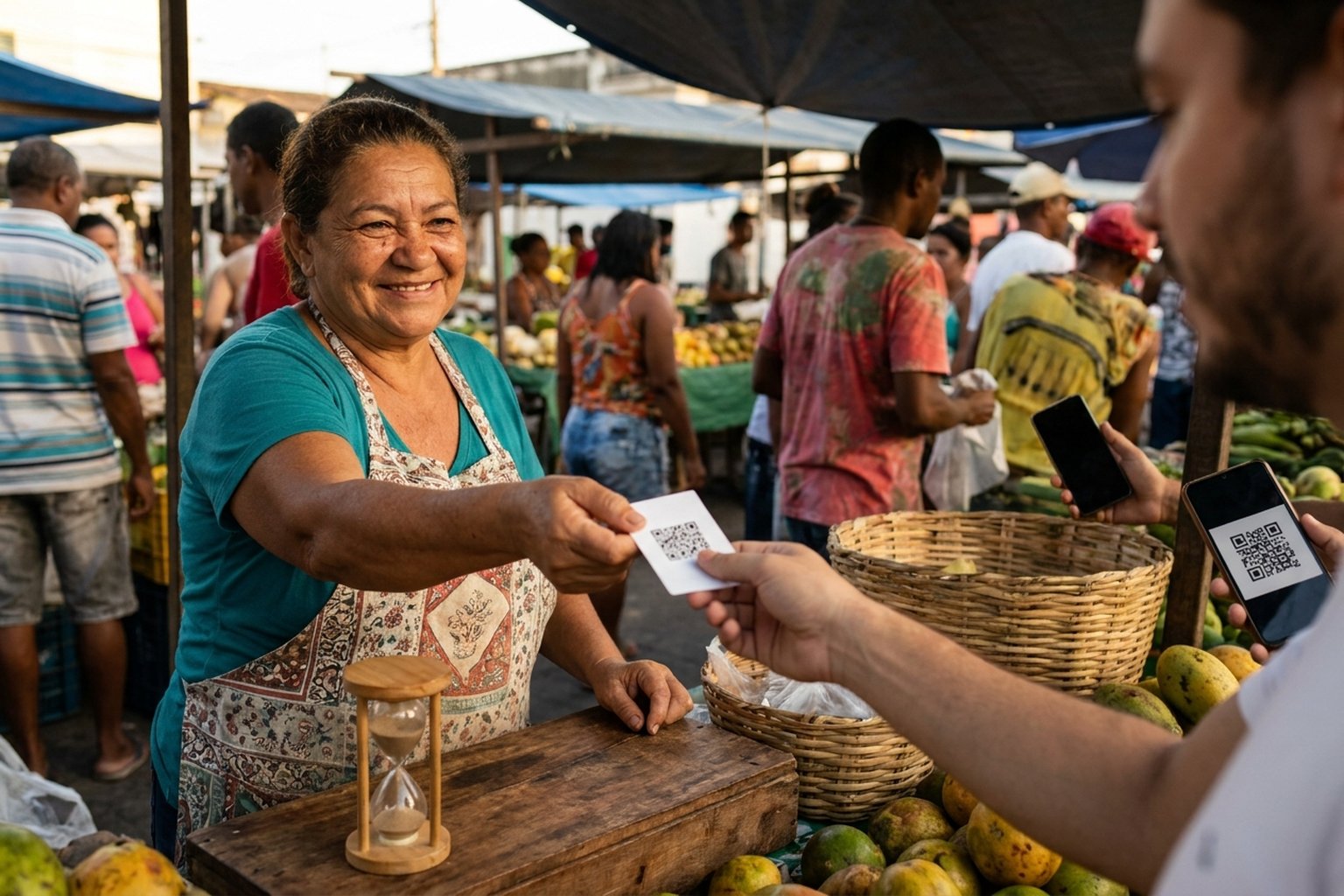
Your customer pays a regular PIX and the money arrives as DePix in your own wallet. See how the PixGo PIX gateway works.
Create accountHow security and self-custody work
The most important point for your security is self-custody. When DePix lands in your PixGo wallet, you control the private keys (the seed). That means your final balance is not locked inside a company account that could vanish with your money. It is the opposite of how many scams work, where you deposit and lose access.
- The key is yours: your wallet seed is generated for you and stays under your responsibility. Store it safely.
- Temporary custody only at the bridge: during the window between the PIX arriving and the DePix being sent to your wallet (by the end of the next day, D+1), there is a temporary custody. It exists to validate the transaction, allow reversals in suspicious cases and optimize network fees, not to hold your balance.
- Liquid network: DePix runs on Liquid, a Bitcoin sidechain with confidential transactions. Technically, this means transaction amounts are not publicly exposed like on other networks. It is a privacy feature of the protocol, not a way to hide anything from anyone.
If you want to dig deeper into protecting your wallet, we recommend reading how to keep your wallet secure and the wallet getting-started guide.
Who processes the PIX: a regulated banking partner
The PIX you receive is not processed "in the dark." The Real inflow goes through a partner institution regulated by the Central Bank, within the rules of the PIX arrangement. In other words, the part that touches your money in Reais is inside the national financial system. PixGo is the layer that converts that amount into DePix and delivers it to your wallet.
This also explains why there is a fraud-protection mechanism, such as the MED (PIX Special Refund Mechanism). Suspicious or disputed payments can be handled according to Central Bank rules. If you have ever seen a warning from your bank about crypto transactions, it is worth understanding the context in why your bank sometimes flags a scam for no reason.
Fee transparency: no fine print
A trustworthy platform does not hide what it charges. At PixGo the fees are simple and stated up front:
- 2% on the amount received (or 2% + R$1 on sales from R$10 to R$49.99).
- R$0.50 per D+1 delivery to your wallet (a PixGo fee, not a Liquid network fee).
- No monthly fee, no contract and no mandatory company registration. Sign-up uses email, password and contact.
There is no hidden charge, lock-in or exit penalty. You use it whenever you want. The full breakdown, with calculation examples, is in how PixGo fees work.
So why do some people think "it's a scam"?
The scam label usually comes from three misunderstandings, not from real problems:
- "It's crypto, so it's a pyramid." No. DePix is a stablecoin pegged 1:1 to the Real, with reserves. PixGo promises no yield, no magic profit and no money multiplication, and you should distrust anyone who does.
- "I don't know this model, so it's suspicious." Receiving PIX and holding it in a self-custody stablecoin is a legitimate choice for those who want control over their own money and less banking bureaucracy.
- "My bank warned me." Automated bank alerts are generic and fire for any crypto movement. That is not proof of a scam, and we explain it in detail in the article on scam accusations from your bank.
Keep in mind: using PixGo is legal, and reporting taxes correctly is part of the deal. There is no "dodging the tax authority" here. If you want to do everything right, read how to declare DePix on your income tax.
What PixGo lets you do beyond receiving
Trusting a tool also means understanding what it delivers day to day:
- Receive PIX and watch the amount land as DePix in your self-custody wallet.
- Protect in digital dollars (USDT) via swap, useful against the Real's inflation over time.
- Withdraw and convert DePix into Real through the Wallet's PIX Button or via CryPix (PIX and boleto).
- Sell online with a free store, checkout link, QR code and recurring payments.
To understand the foundation of it all, it is worth reading what DePix is before you start.
Frequently asked questions about trusting PixGo
Is PixGo a scam?
No. It is a legitimate platform that converts PIX into DePix, a stablecoin pegged to the Real, inside a self-custody wallet. It promises no profit or yield, and the fees are disclosed openly. What defines a scam is the promise of easy gains and loss of access to your money, exactly what self-custody prevents.
Does my money get stuck in PixGo?
No. After conversion, the DePix sits in your self-custody wallet, with the key under your control. There is only a technical temporary custody between the PIX arriving and the DePix being sent (by the end of the next day, D+1), to validate the transaction and allow reversals in suspicious cases.
Is PixGo's PIX regulated?
The PIX inflow is processed by a partner institution regulated by the Central Bank, within the rules of the PIX arrangement. PixGo handles the layer that converts to DePix and delivers it to your wallet.
Do I need a company or tax ID to use it?
No. Sign-up is done with email, password and contact. There is no mandatory company registration, monthly fee or contract. You use it when and how you want.
Is it legal to use PixGo in Brazil?
Yes. Receiving and moving stablecoins is legal in Brazil. The recommended approach is to declare your assets correctly on your income tax, like any other holdings.
Trust is built on clarity, and now you know how PixGo works under the hood: self-custody, PIX through a regulated partner and fees with no fine print. Want to test it yourself? Create your free account and receive your first PIX as DePix with no monthly fee and no contract.